Ask anyone shopping West Columbia right now why prices swing so hard from one street to the next, and you'll get a version of the same answer: proximity to the river, proximity to Meeting Street, proximity to the restaurants and the walk to the water. That answer just got more complicated. The corridor that explains most of that price spread started construction on September 7, and the first travel lane closed on September 14. The work will run for roughly six months, with the City of West Columbia targeting completion around March 2027.
That timing matters more than it looks like on a construction notice. If the premium homes in this market are priced on walkability to a corridor that's about to spend half a year as an active job site, then anyone comparing neighborhoods on price alone is missing the part of the story that explains the price.
What's Actually Happening on Meeting Street
The project has a name most residents will recognize from city council updates: the Meeting Street Improvement Project. It's a road diet, cutting Meeting Street from four travel lanes down to two between State Street and Ninth Street, and using the reclaimed space for wider sidewalks, on-street parking, landscaped medians, and new street trees. The city carries roughly 12,300 vehicles a day on this stretch, which is exactly why the design has been years in the making rather than a quick restripe.
Here's what changes when it's finished:
- 63 new parking spaces along the corridor
- 7 landscaped medians, designed with river rock to echo the Congaree just blocks away
- 117 new street trees
- Six-foot sidewalks with dedicated turn lanes and improved pedestrian crossings
AOS Specialty Contractors is the general contractor, and the project is funded in part through the city's American Rescue Plan Act dollars. Right now, the work is concentrated in the 400 to 900 blocks. The unpaved parking lot next to the Artisan Market Pavilion at 425 Meeting Street, the one regulars use when they're headed to Savage Craft Ale Works or D's Wings, closed for regrading and was expected to reopen by September 25. The eastbound right lane closed the same week. The city has said business entrances and driveways will stay open throughout, but anyone who has watched a road diet unfold knows that "open" and "easy to get to" aren't the same thing for six months.
Why This One Street Explains the City's Price Spread
West Columbia's citywide numbers tell you almost nothing useful on their own. Zillow puts the typical home value in the city at roughly $212,000, up about 6% over the past year. Redfin's read on last month's closings is higher, around $262,000, with price per square foot up sharply year over year. Both are correct. They're just measuring different parts of the same city.
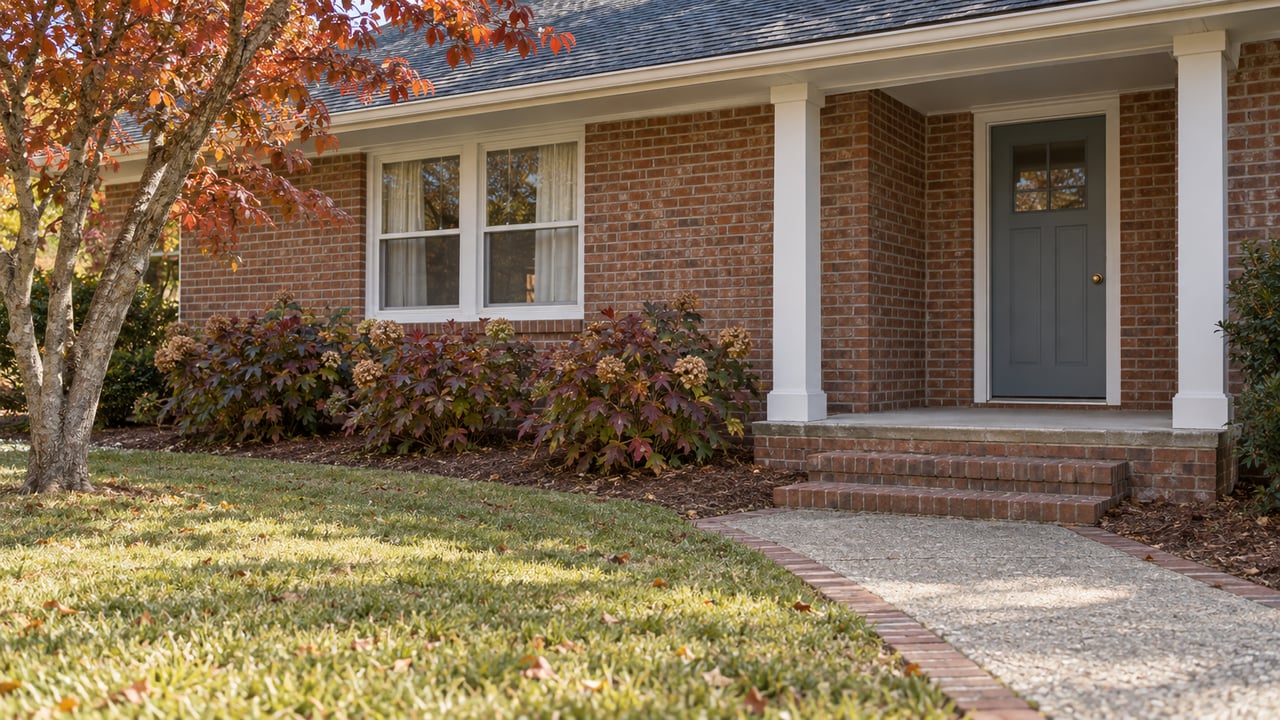
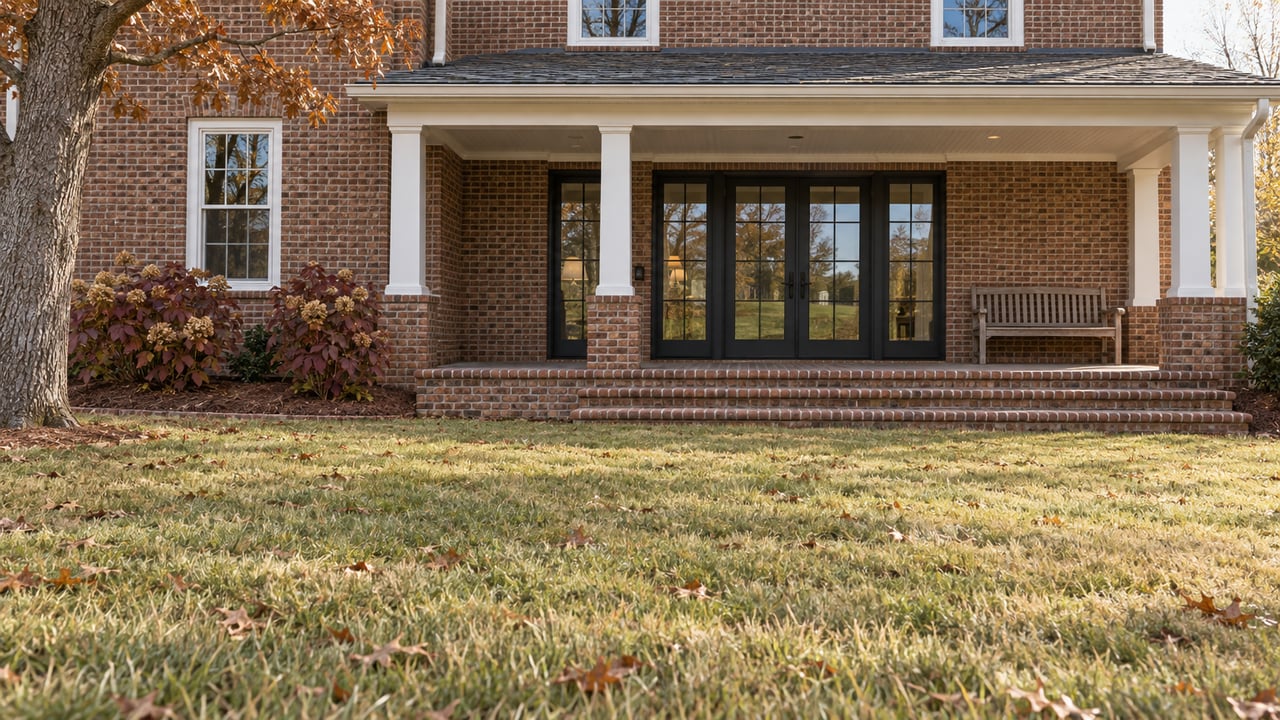
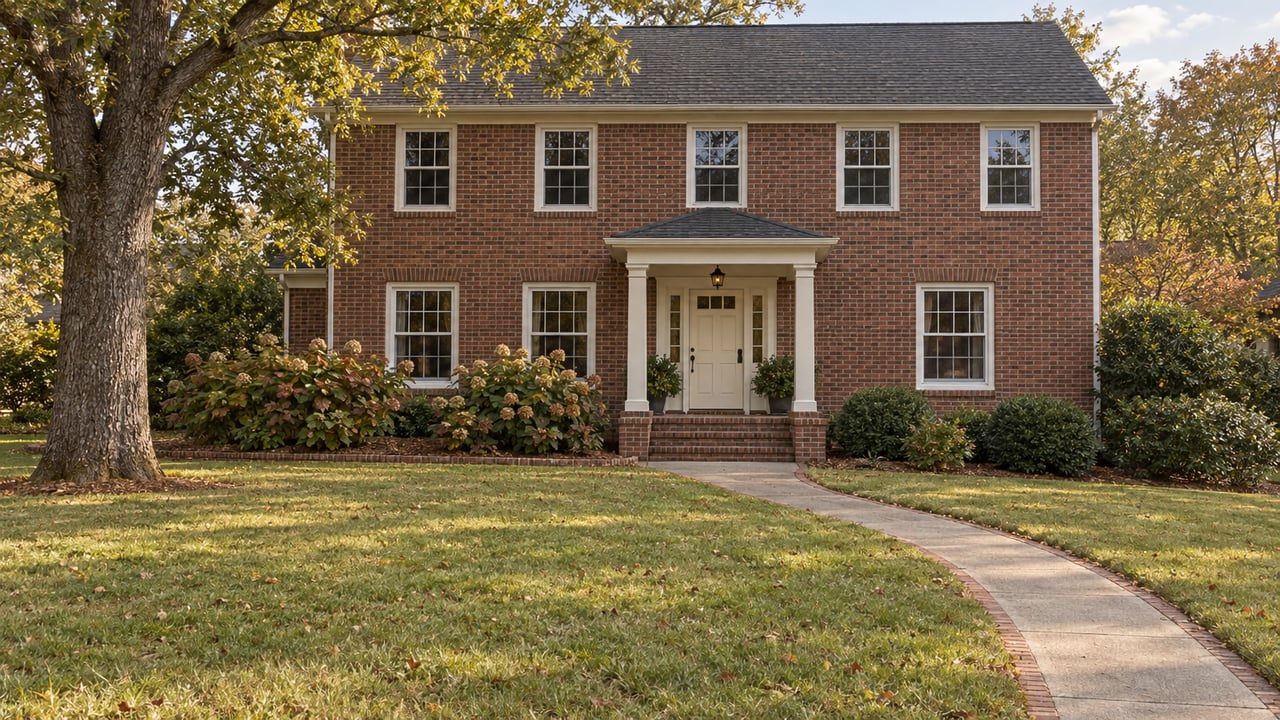
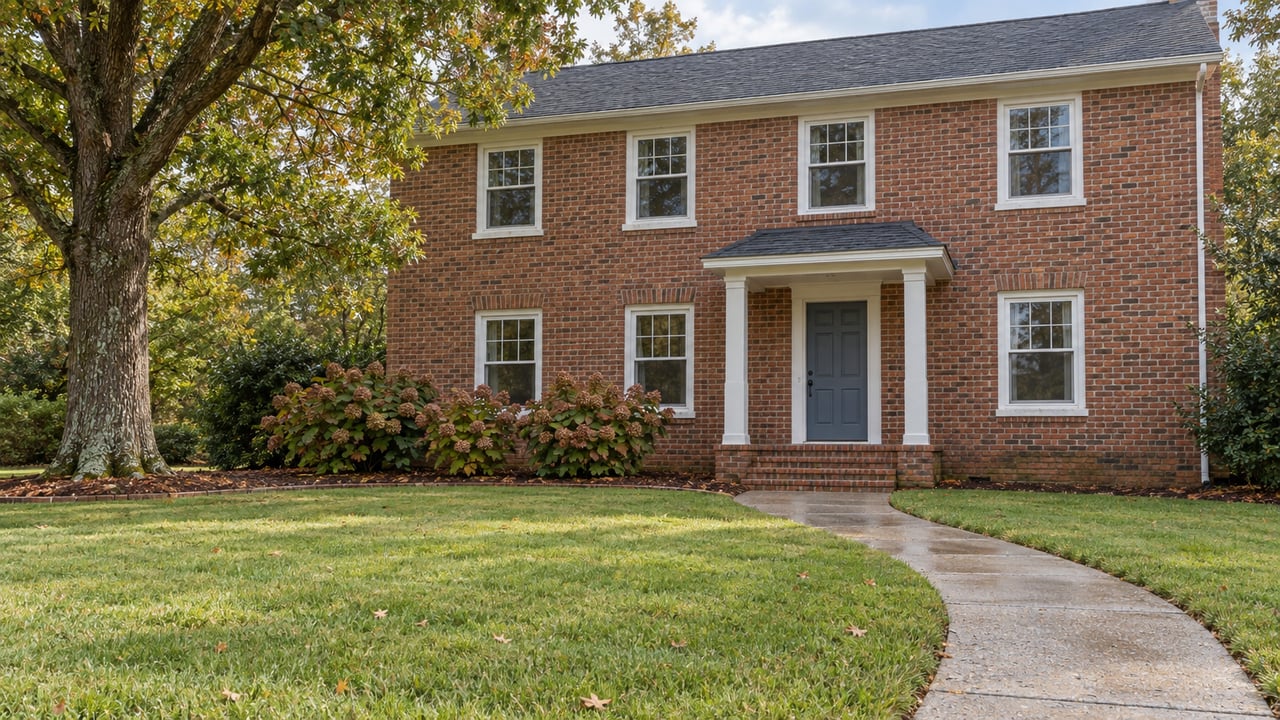
The gap closes once you separate the corridor from everything else. Older ranch-style homes away from the river have been trading in the low $200,000s. New construction across the city has been listing at a median around $248,000. But updated homes within walking distance of the Riverwalk and Meeting Street corridor have been trading north of $350,000, a gap of well over $100,000 for what is often a comparable square footage in a different location.
That's not a coincidence. It's the market pricing in exactly what the city is now spending ARPA dollars to build: wider sidewalks, safer crossings, more street trees, a place to walk to dinner instead of drive. The corridor premium is a bet on walkability. For the next six months, that walkability is a construction zone.
The Businesses Holding the Corridor Together Right Now
Part of what makes this stretch of Meeting Street valuable is that it isn't hypothetical. It's already anchored by named businesses that have built real followings: WECO Bottle and Biergarten, Brickhouse Gourmet Coffee & Tea Co., JJ's Place, Savage Craft Ale Works, and D's Wings, most of them clustered within a few blocks of the Artisan Market Pavilion and the Interactive Art Park. These aren't concepts on a rendering. They're operating businesses that current corridor buyers are paying to be near, and they're the same businesses now navigating lane closures and a closed parking lot during their own busy season.
This is the part that gets lost in a headline about home values. The people running these places are the ones absorbing the disruption in real time while the long-term case for the corridor gets built around them. That's worth remembering if you're touring homes near Meeting Street this fall and the sidewalk in front of your favorite coffee shop is torn up. It's not a sign the corridor is declining. It's a sign the corridor is mid-investment.
What This Means If You're Comparing Neighborhoods Right Now
If you're the kind of buyer who has already looked at Irmo, Lexington, and Cayce and landed on West Columbia because of the value story, the Meeting Street timeline gives you two honest paths, and neither one is wrong.
Buying into the disruption. A property near the corridor priced today reflects a market that hasn't fully absorbed six months of construction inconvenience. If the completed streetscape performs the way similar road diets typically do, and adds the parking, greenery, and pedestrian safety the city is promising, you may be buying before the next leg of appreciation rather than after it. The risk is living through the work itself: lane shifts, a temporarily closed lot, and a construction schedule that, like most municipal projects, could slide past its March 2027 target.
Waiting for the finished product. If you'd rather see the medians planted and the sidewalks poured before you commit, you're trading upside for certainty. Corridors that get this kind of public investment rarely get cheaper once the cones come down. You'll know exactly what you're paying for, but you'll likely be paying more for it.
Sellers on or near the corridor face the mirror image of this decision. Listing during construction means pricing a home against a temporary version of its own street, one with less visible parking and more orange barrels than the photos from last spring's Artisan Market season suggested. It also means being ready to walk a buyer through the timeline yourself, since the improvement isn't a rumor. It has a contractor, a funding source, and a city-issued completion window.
None of this changes the fundamentals that make West Columbia worth a look in the first place: real value relative to Columbia proper, a walkable River District identity that didn't exist in this form a decade ago, and a city actively spending money to make its best street better. It does mean that anyone treating the Meeting Street premium as a fixed number, rather than a number in transition, risks relying on an outdated snapshot.
A Short FAQ
Will businesses stay open during construction? The city has stated that business entrances and driveways will remain accessible throughout the project, though parking and traffic patterns will shift as work progresses through different blocks.
Is the whole street closed at once? No. Construction is moving block by block, starting in the 400 to 900 block range, with the city sending advance notice to residents and businesses before major traffic impacts.
When should I expect the finished corridor? The city's target is roughly six months from the September 2026 start, putting completion around March 2027. Municipal construction timelines can shift, so anyone timing a purchase or listing around that date should confirm current status before relying on it.
Does the construction affect the whole city's home values, or just the corridor? Just the corridor and the blocks immediately around it. The rest of West Columbia's housing stock, including the ranch homes and new construction that make up most of the city's inventory, isn't tied to this project's timeline.
If you're weighing a purchase near this corridor, or trying to figure out what a listing here should actually be priced at while the work is underway, that's exactly the kind of local timing question worth talking through before you write an offer. Alivia Cavanaugh works this market block by block, not just by the median. Let's Connect.