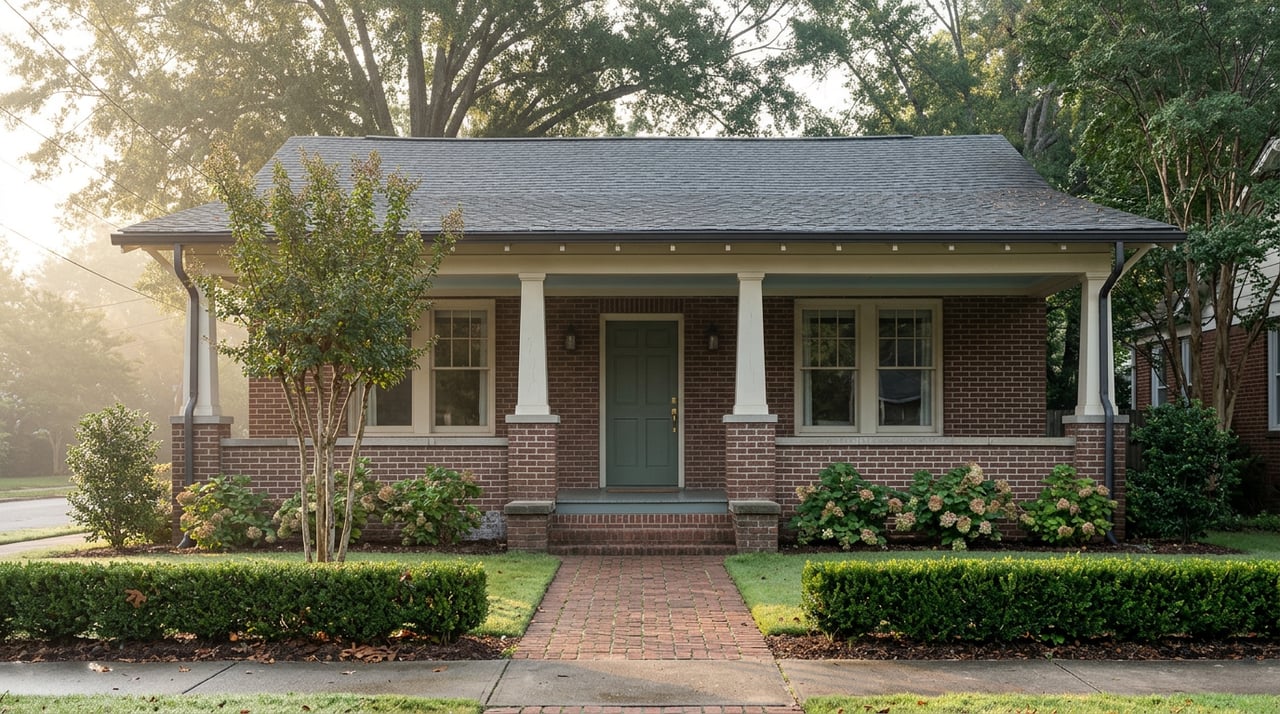
Walk out through the Segra Park gates on a Fireflies game night, cross Boyce Street past the rooftop decks of TownPark at BullStreet, and keep going. Ten minutes later you're standing on a Cottontown block lined with Craftsman bungalows, close enough to hear the same postgame fireworks. The walk barely changes. The price tag does, by roughly half.
That gap is the whole story, and it's one that a single search for "Columbia SC home prices" will not tell you.
The Number Everyone Quotes Isn't BullStreet's Number
If you've been comparison shopping Columbia from out of town, you've probably already seen the headline figure. As of June 2026, the citywide median sale price in Columbia sat at roughly $253,500. Look at the trailing three months through May 2026 instead and the number climbs slightly to around $276,000. Either way, it reads like an affordable Southern capital, and for most of the city, it is.
That number has almost nothing to do with what a home costs inside the BullStreet District itself. Over the trailing twelve months, the median sale price for a home in BullStreet has run closer to $650,000, with some listings pricing the neighborhood's median even higher, near $700,000. That's not a premium neighborhood tucked into an otherwise ordinary city median. It's a separate market wearing the same zip code.
If you're shopping Columbia broadly and you fall in love with a listing inside BullStreet, the citywide figure you researched before you started looking will not have prepared you for the offer you're about to write.
Why Almost Nothing Inside BullStreet Is a Resale
The reason for the gap isn't mystery or hype. It's inventory composition. BullStreet is a 181-acre redevelopment of the old South Carolina State Hospital campus, built out under a form-based code adopted in 2012 and zoned for more than 3.3 million square feet of commercial space alongside 3,558 residential units. Nearly everything standing there today was built in the last decade, and most of it was built to a for-sale luxury or Class-A rental spec from day one.
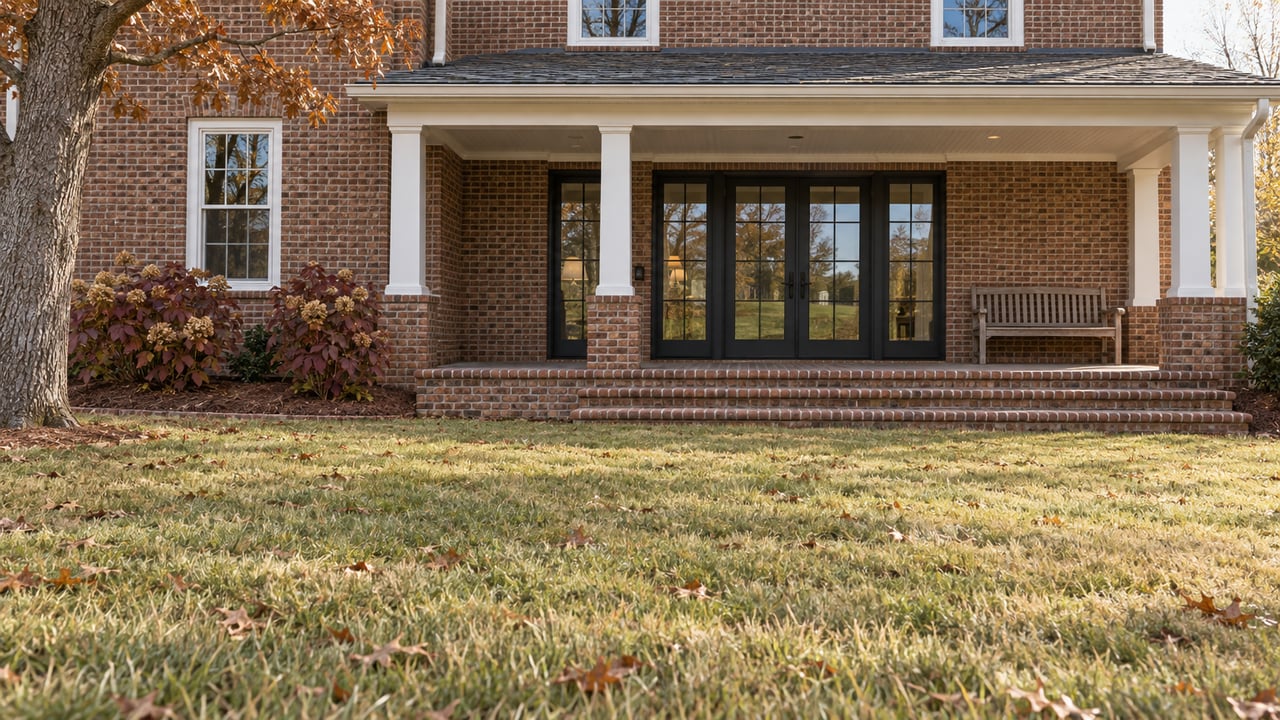
TownPark at BullStreet, the district's flagship for-sale product, is a run of townhomes with private garages and rooftop terraces along Calhoun Street. Five phases have already sold out. The sixth is under construction now. There is no thirty-year-old resale stock inside BullStreet dragging the average down, because there isn't much of anything inside BullStreet that predates the district itself. The Babcock, a converted historic asylum building, and the newer Bennet complex both lease as upscale apartments rather than trading as entry-level resale homes. When every unit on the market is new construction with a garage and a rooftop deck, the median follows.
In a report by WLTX, Jeff Ruble, president of the Columbia Area Development Partnership, said: "BullStreet has really become an economic engine for the region." That's not marketing copy. It's a fair read of what's actually moving in. AMAROK, the pet-fencing company, announced a $69 million headquarters investment near Segra Park expected to bring around 500 jobs to the district. A Publix store of more than 50,000 square feet was targeting a summer 2026 groundbreaking. Columbia's first food hall, Gather COLA, opened in December 2025 with ten food vendors under one roof. Three Notch'd Brewery moved into the former Iron Hill Brewery space this year. This is a district still filling in.
BullStreet's "Attainable Housing" Project
Here are the details of BullStreet's attainable housing project.
BullStreet's developer has publicized a project called Midtown at BullStreet, marketed under the label "attainable housing," within a hundred yards of Segra Park. The project consists of 90 rental units, split between 18 two-bedroom townhouse-style apartments and 72 garden-style one-, two-, and three-bedroom units, financed in part through federal and state housing tax credits and a City of Columbia property tax incentive for the first ten years. It's a meaningful project for renters who want to live inside the district. It is not a for-sale entry point, and it will not lower the price of buying a home in BullStreet.
For buyers, the practical takeaway is that BullStreet's attainable-housing project does not change the district's for-sale market, where prices remain well above the city's median.
One Block Over, Half the Price
This is where the actual opportunity for buyers sits, and it isn't inside BullStreet at all.
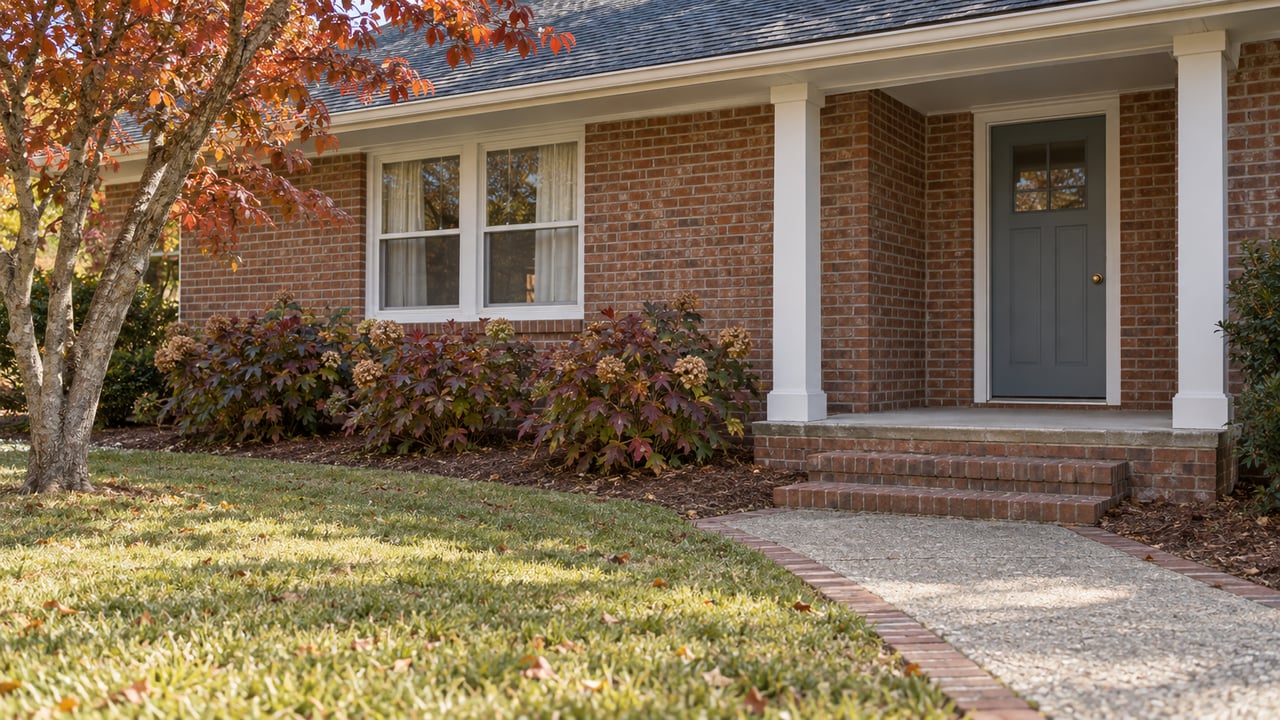
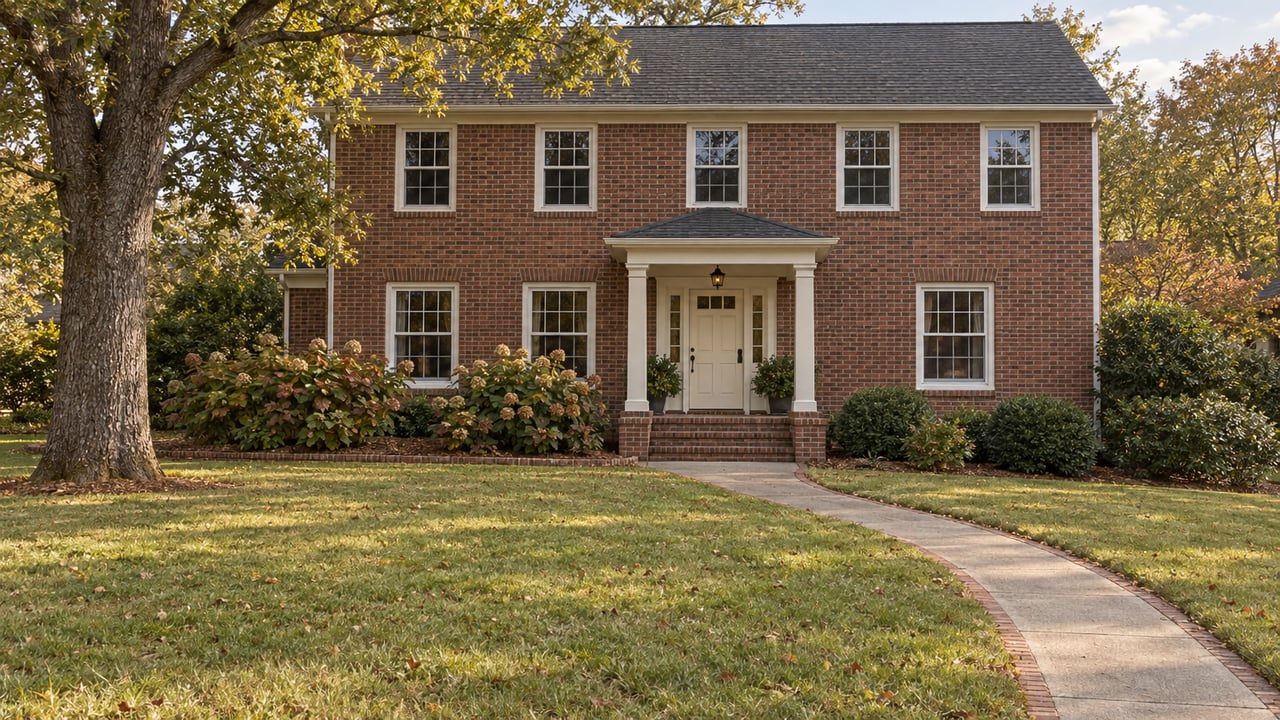
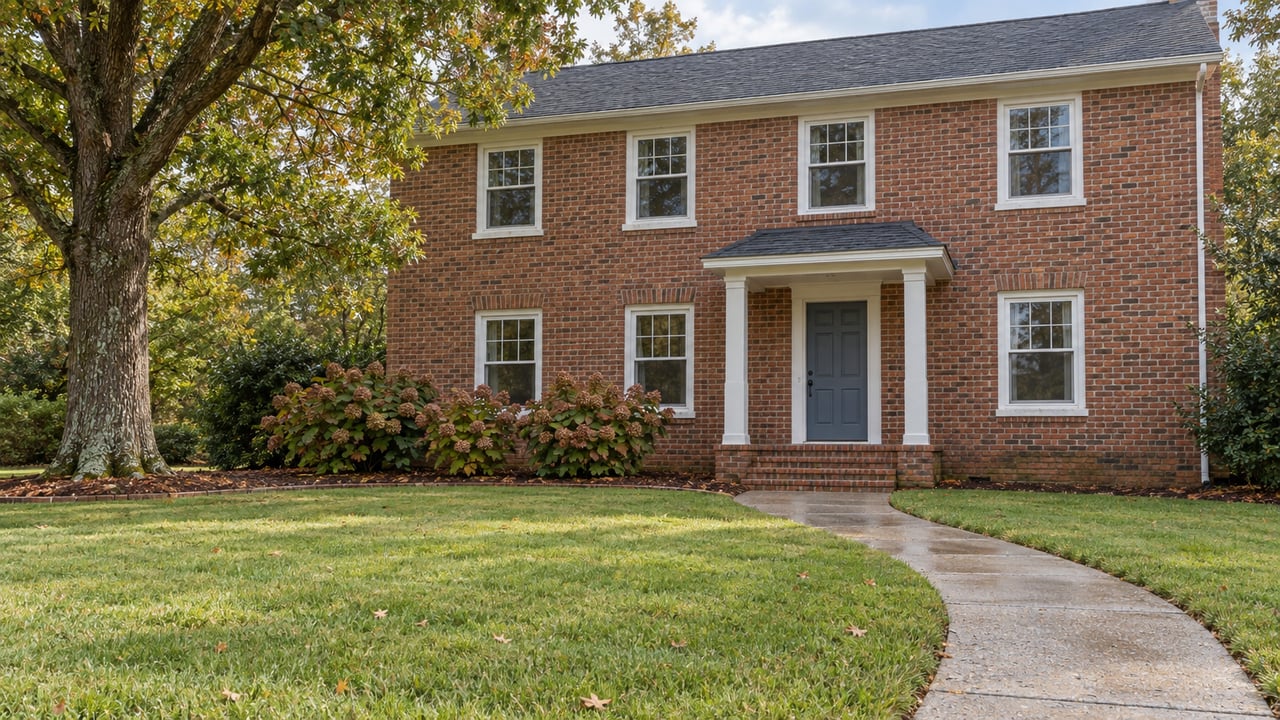
Cottontown and Earlewood, the two historic neighborhoods that border BullStreet to the north and west, offer the same walk to Segra Park, the same access to Gather COLA and the incoming Publix, and a fraction of the price. Cottontown's median sale price runs around $362,450. Earlewood's sits closer to $299,500. Both neighborhoods predate BullStreet by more than a century, which means their housing stock is a mix of well-maintained Craftsman bungalows, Tudor cottages, and Colonial Revivals, not brand-new construction, and that older mix is exactly what keeps the entry price lower.
Here's how the four numbers actually line up:
| Area | Approx. Median Sale Price | Time Window |
|---|---|---|
| BullStreet District | ~$650,000-$700,000 | Trailing 12 months |
| Cottontown | ~$362,450 | Current listing data |
| Earlewood | ~$299,500 | Current listing data |
| City of Columbia (overall) | ~$253,500-$276,000 | May-June 2026 |
Cottontown carries its own identity beyond proximity, including the annual Cottontown Art Crawl and a strip of local spots like Indah Coffee and Noma Bistro by Al Amir. Earlewood centers on Earlewood Park, one of the city's oldest green spaces, with walking trails and ball fields a short walk from the same BullStreet gates. Buy in either neighborhood and you're not settling for a consolation prize. You're buying the same lifestyle corridor at a price the district itself no longer offers.
What This Means If You're Actually Shopping This Corridor
If BullStreet's energy is what drew you to this part of Columbia, the practical move is to treat the district as the amenity, not the address. Shop Cottontown and Earlewood with BullStreet's restaurants, ballpark, and incoming grocery store as your walkable radius, and you'll land a home for roughly half of what a comparable square footage costs inside the district's boundaries.
If you do want to buy inside BullStreet itself, go in with clear eyes about inventory. TownPark's sold-out phases mean resale supply is thin and competitive when it does surface. Budget toward the district's real median, not the citywide figure you found first, and expect new listings to move quickly given how few for-sale options currently exist there.
Either way, the mistake to avoid is assuming Columbia's citywide affordability extends into this one specific corridor. It doesn't, and the reason is now on the record: almost everything for sale inside BullStreet was built in the last ten years, priced accordingly, and the attainable housing making headlines there is built to rent, not to sell.
A Short FAQ
Can I buy a home inside BullStreet for close to Columbia's citywide median? Not currently. The district's trailing twelve-month median has run closer to $650,000 to $700,000, driven almost entirely by new-construction townhomes.
Does the "attainable housing" project at BullStreet mean I can buy there affordably? No. Midtown at BullStreet is a 90-unit rental development financed through housing tax credits. It adds rental supply, not for-sale inventory.
Are Cottontown and Earlewood good alternatives if I want to be near BullStreet without paying BullStreet prices? Both border the district directly and offer the same walk to Segra Park and Gather COLA, with median prices roughly half of BullStreet's and housing stock rooted in the early twentieth century rather than the last decade.
If you're weighing BullStreet against its neighboring streets, or trying to figure out where your budget actually lands in this corner of Columbia, I'd rather walk it with you than let a portal's median price make the decision for you. Reach out to Alivia Cavanaugh and let's talk through what your number actually buys on this side of town.