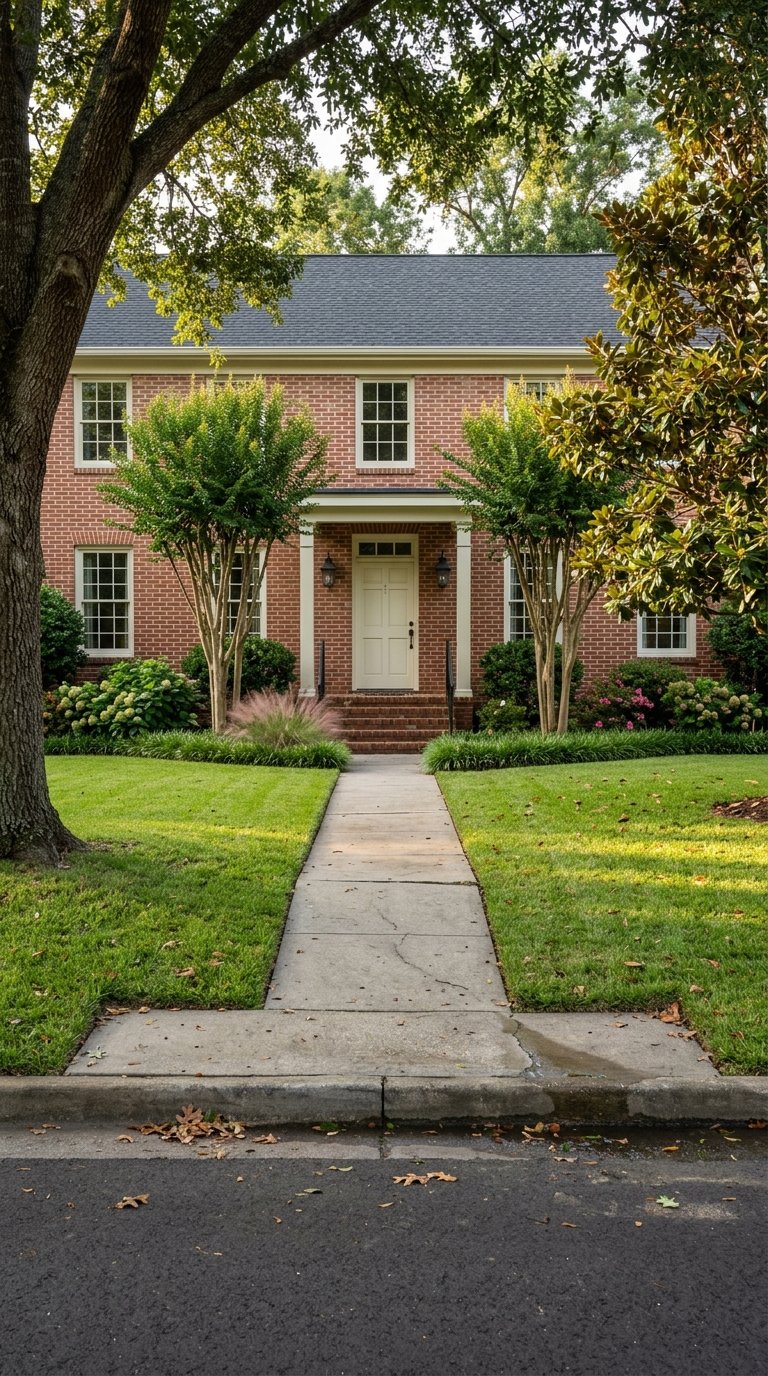
If you are thinking about a move to Columbia, SC, you probably want more than a map and a few listing photos. You want to know what daily life actually feels like, how easy it is to get around, what kinds of homes you will find, and whether the city fits your pace and priorities. The good news is that Columbia offers a mix of practical convenience, historic character, and outdoor access that appeals to many buyers and relocating households. Let’s dive in.
Columbia offers a balanced city lifestyle
Columbia is the capital of South Carolina, but it does not feel overwhelming in the way some larger capitals can. The city had an estimated population of 147,035 in July 2025, which reflects continued growth since 2020. That gives you the feel of a midsize city with real amenities, while still keeping many daily errands and commutes relatively manageable.
One of the first things many newcomers notice is that Columbia feels approachable. The average commute time is 17.7 minutes, and the city is connected by I-77, I-26, and I-20. If you are relocating for work or simply want a city where getting from home to downtown, campus, or a medical center does not take over your day, that can be a major plus.
Columbia feels district-based
A big part of living in Columbia is understanding that the city is shaped by distinct districts rather than one dense urban core. Your experience can vary a lot depending on whether you live closer to downtown, near the University of South Carolina, or in one of the surrounding areas tied to your commute and lifestyle.
That is not a downside, but it does mean location matters. If walkability, quick access to dining, or a shorter drive to work is important to you, choosing the right area can make a big difference in how Columbia feels day to day.
Housing in Columbia has variety
Columbia has a housing mix that gives buyers and renters more than one path. The city is fairly balanced between owning and renting, with an owner-occupied housing rate of 45.5%. Median owner value is $264,300, median gross rent is $1,204, and median monthly owner cost with a mortgage is $1,621.
For you, that often means Columbia can work whether you are buying your first home, relocating for a new job, or testing out the area as a renter before purchasing. It is not a one-style market, and that flexibility is part of its appeal.
Historic homes stand out
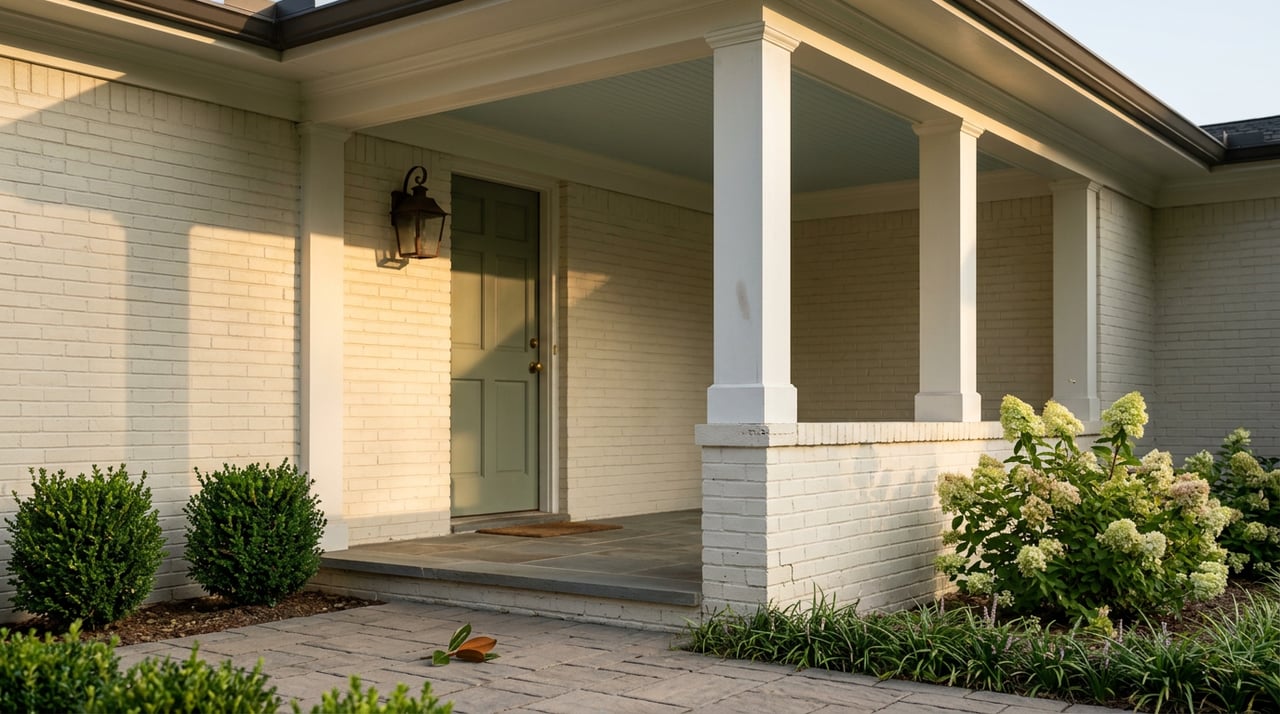
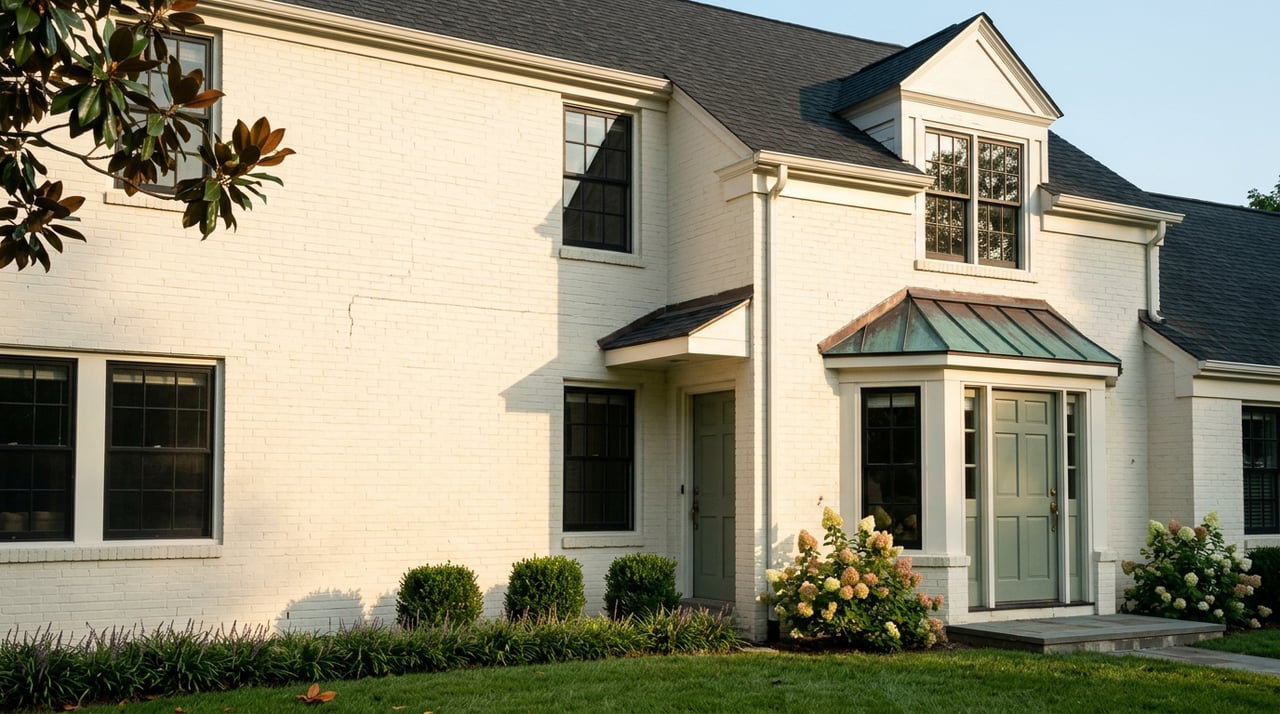
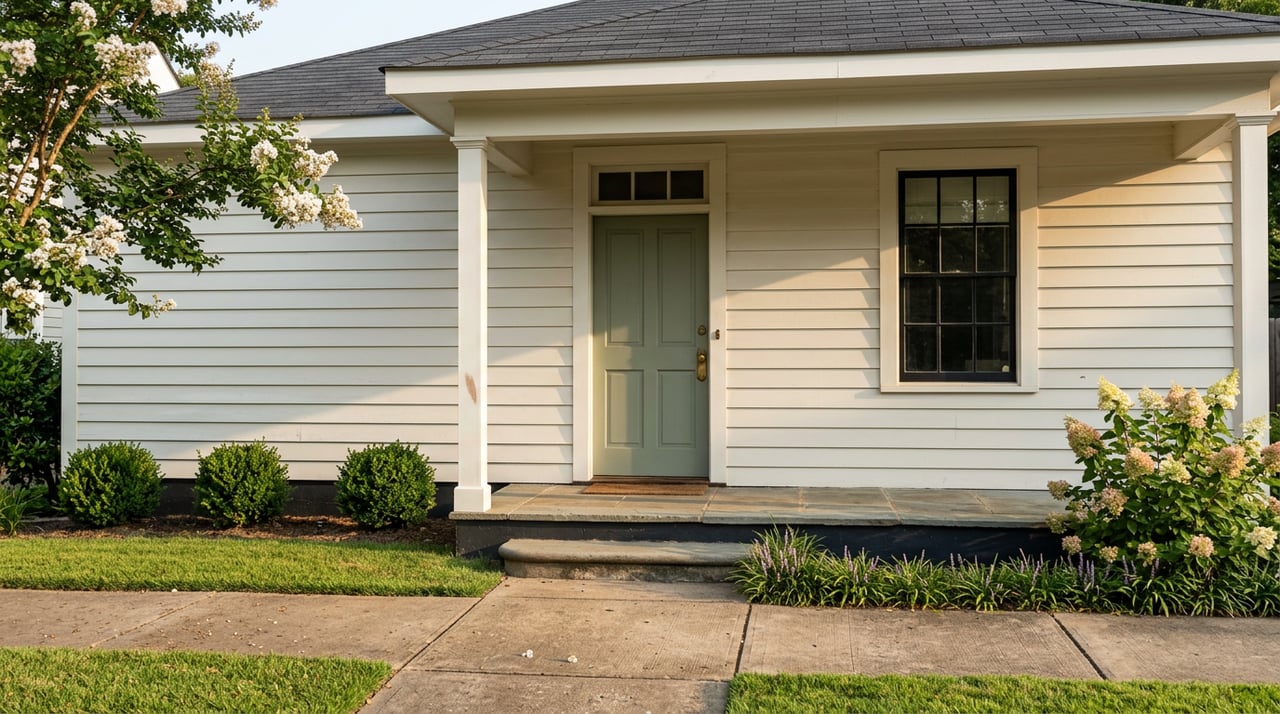
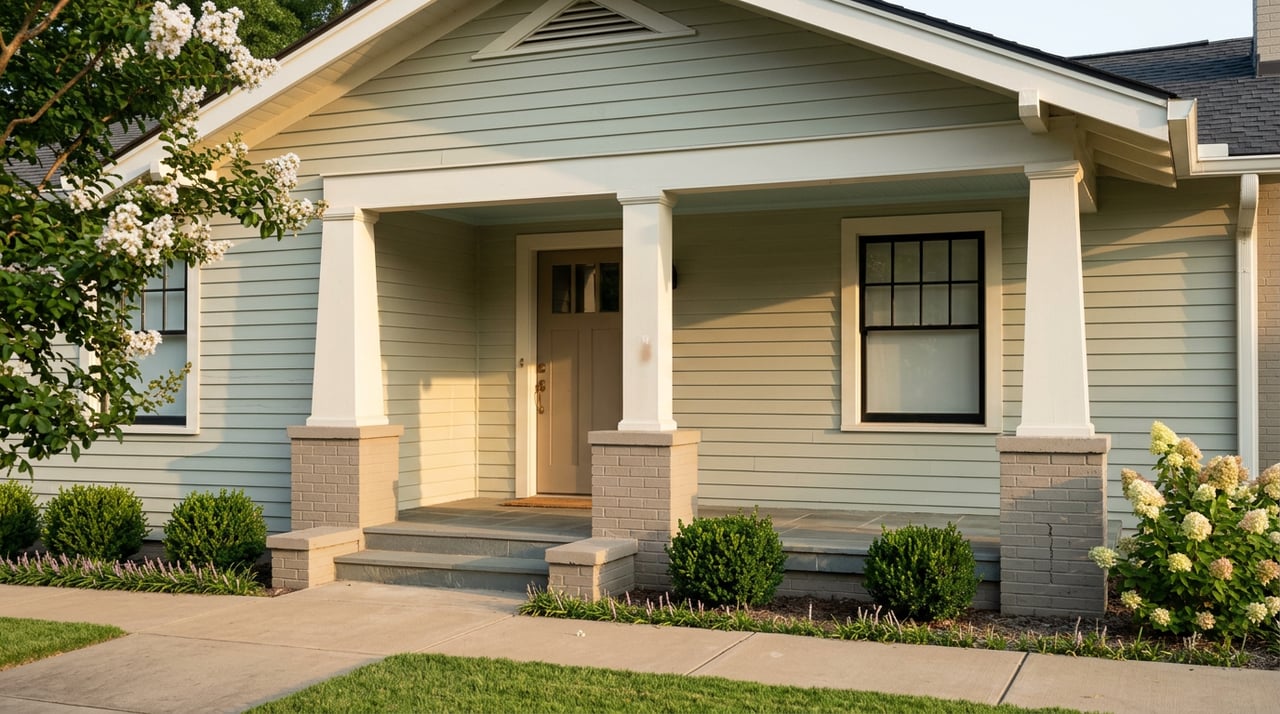
If you love older homes with detail and personality, Columbia has a strong historic-core identity. City planning recognizes 15 historic district overlays, and inner neighborhoods include housing types such as Craftsman-inspired homes, bungalows, cottages, and American Foursquares. Areas noted for this kind of housing include Elmwood Park, Waverly, Shandon, Hollywood-Rose Hill, Earlewood, Cottontown, Melrose Heights, and Oaklawn.
These homes can offer architectural charm that is harder to find in newer markets. You may see front porches, mature trees, established streetscapes, and a wide range of styles from Craftsman and Colonial Revival to ranch and mid-century-inspired designs from the 1950s and 1960s.
Apartments and townhomes are part of the mix
Columbia also offers apartment and townhome options, especially near USC and downtown. According to USC’s off-campus housing guidance, downtown Columbia, West Columbia, and Cayce are among the closest areas to campus, and downtown includes residential neighborhoods, entertainment districts, and apartment communities near USC.
That gives relocating professionals, students, and first-time buyers several ways to enter the market. If you prefer lower-maintenance living or want to stay close to downtown activity, those options can be worth exploring.
Work centers shape daily life
Many people who move to Columbia do so with work in mind, and the city has several major employment anchors rather than one single job hub. State government is centered around the South Carolina State House at 1100 Gervais Street. The University of South Carolina’s main campus is downtown, Prisma Health Richland Hospital and the Medical Park area are major healthcare anchors, and Fort Jackson sits on the southeast side of the city.
That matters because your home search can often be built around your main destination. Instead of trying to live near one giant business district, you can focus on the part of Columbia that best supports your own commute pattern and lifestyle.
Shorter commutes are a real advantage
In many cities, people expect traffic to define their week. Columbia tends to offer a more practical rhythm. With an average commute time under 18 minutes and access from multiple major interstates, many residents can keep their daily travel relatively local.
That can mean more flexibility in your schedule and more room for everyday life. If you value quick access to work, easier parking, and less time in the car, Columbia has a strong case to make.
Getting around Columbia is straightforward
Columbia is not flashy when it comes to transportation, but it is functional. The city is described as having manageable traffic, lots of parking, and walkable districts. For many residents, that ease becomes part of the appeal.
Public transit also plays a role in key areas. The COMET bus network includes the Soda Cap Connector, the Main Street E-Rover, and routes linking downtown, USC, the Vista, Cayce and West Columbia, and Segra Park. If you want options beyond driving for certain trips, that network adds some flexibility.
Outdoor access is part of the lifestyle
One of the best parts of living in Columbia is how often outdoor recreation can fit into an ordinary week. The city’s riverfront system runs along the Saluda, Broad, and Congaree rivers, which gives Columbia a natural side that surprises many newcomers.
You do not have to plan a full weekend getaway to enjoy it either. Riverwalks, greenways, and park spaces make it easier to add a walk, bike ride, or quiet hour outside to your regular routine.
Riverfront parks are a local highlight
The Saluda Riverwalk offers 3 miles of paved and boardwalk greenway. Riverfront Park spans about 167 acres along the river and canal corridor. These spaces give you room to move, relax, and enjoy one of the city’s defining features without leaving town.
For many buyers, that outdoor access adds real lifestyle value. It is one thing to live in a city with restaurants and museums, but it is another to also have easy riverfront recreation nearby.
Big nature is close by
If you want larger-scale outdoor time, Congaree National Park is about 18.6 miles southeast of Columbia. It offers more than 25 miles of hiking trails and 2.4 miles of boardwalk. That makes it a realistic option for day trips without a long drive.
Riverbanks Zoo & Garden is another major draw, with a 70-acre botanical garden, more than 5,700 plant species, and more than 3,000 animals. For households that want a mix of city access and outdoor attractions, Columbia delivers a lot within a short radius.
Columbia has a strong social core
Columbia’s dining, entertainment, and cultural life is concentrated in a few well-known districts. This gives the city a more curated feel, where certain areas become your go-to spots depending on the day or mood.
If you like having recognizable places for dinner, events, markets, and casual weekends, that district-based layout can work well. You learn the city by its hubs, and each one brings a slightly different feel.
Main Street is a central gathering place
Main Street functions as Columbia’s downtown social and cultural hub. It is also home to Soda City Market, which runs year-round on Saturday mornings and averages about 150 vendors each week. That kind of recurring event helps create a regular rhythm for downtown life.
For you, this can translate into a city that feels active without feeling chaotic. There is often something happening, but it is still easy to navigate.
The Vista and Five Points add energy
The Vista is described as Columbia’s premier commercial, residential, shopping, dining, and cultural district. It includes more than 45 restaurants and bars, along with 60 galleries and specialty shops. Five Points is known as the city’s original village neighborhood and adds another distinct destination to the mix.
These areas help shape what living in Columbia feels like after work and on weekends. Whether you prefer a dinner out, a local event, or simply being near activity, the city offers multiple centers of energy rather than just one.
Arts and culture are easy to access
Columbia also offers a solid cultural lineup in and around downtown. The Columbia Museum of Art sits just blocks from the State Capitol. The South Carolina State Museum at 301 Gervais Street spans four floors focused on history, art, natural history, science, and technology.
The local arts scene also includes the Nickelodeon Theatre and Koger Center for the Arts. If you want a city where museums, performances, and civic spaces are part of everyday access, Columbia checks that box without requiring a major-city pace.
Who tends to enjoy living in Columbia
Columbia often appeals to buyers who want a short-commute city with a real downtown, varied housing options, and easy access to outdoor recreation. It can be a strong fit if you want historic-home character near the urban core, practical access to major employers, and a lifestyle that mixes riverfront days with markets, museums, and district dining.
It is also especially compelling for relocating households. If you are moving for state government, USC, healthcare, or Fort Jackson, Columbia gives you clear job clusters that can help you narrow your search more efficiently.
What to consider before you move
The biggest thing to understand is that neighborhood choice matters. Because Columbia is more district-based than hyper-dense, your day-to-day experience will depend heavily on where you live in relation to work, recreation, and the places you visit most often.
That is why local guidance can be so helpful here. The right move is not only about the house itself. It is also about matching your lifestyle with the part of Columbia that makes the most sense for you.
If you are thinking about buying or relocating in Columbia, working with someone who understands commute patterns, housing styles, and neighborhood tradeoffs can make the process feel much more clear and confident. Alivia Cavanaugh helps buyers, sellers, and relocating households navigate Columbia and the Midlands with local insight, responsive service, and practical guidance. When you are ready to talk through your move, connect with acavrealestate.com.
FAQs
What is daily life like in Columbia, SC?
- Daily life in Columbia often feels convenient and balanced, with relatively short commutes, distinct activity districts, and easy access to riverfront parks, dining, and cultural spots.
What types of homes can you find in Columbia, SC?
- Columbia offers a mix of historic homes, including Craftsman-inspired houses, bungalows, cottages, and American Foursquares, along with ranch, mid-century-inspired homes, apartments, and townhomes.
What is the commute like in Columbia, SC?
- Columbia’s average commute time is 17.7 minutes, and the city is connected by I-77, I-26, and I-20, which helps many residents keep daily travel relatively manageable.
What are the main job centers in Columbia, SC?
- Major job anchors in Columbia include state government around the State House, the University of South Carolina downtown, Prisma Health Richland Hospital and Medical Park, and Fort Jackson.
What is there to do outdoors in Columbia, SC?
- Columbia offers riverfront recreation along the Saluda, Broad, and Congaree rivers, including the Saluda Riverwalk and Riverfront Park, plus access to Congaree National Park and Riverbanks Zoo & Garden.
Is Columbia, SC a good fit for relocating buyers?
- Columbia can be a strong fit for relocating buyers who want a midsize capital city with varied housing, practical commute options, major employers, and a lifestyle that blends downtown activity with outdoor access.